in

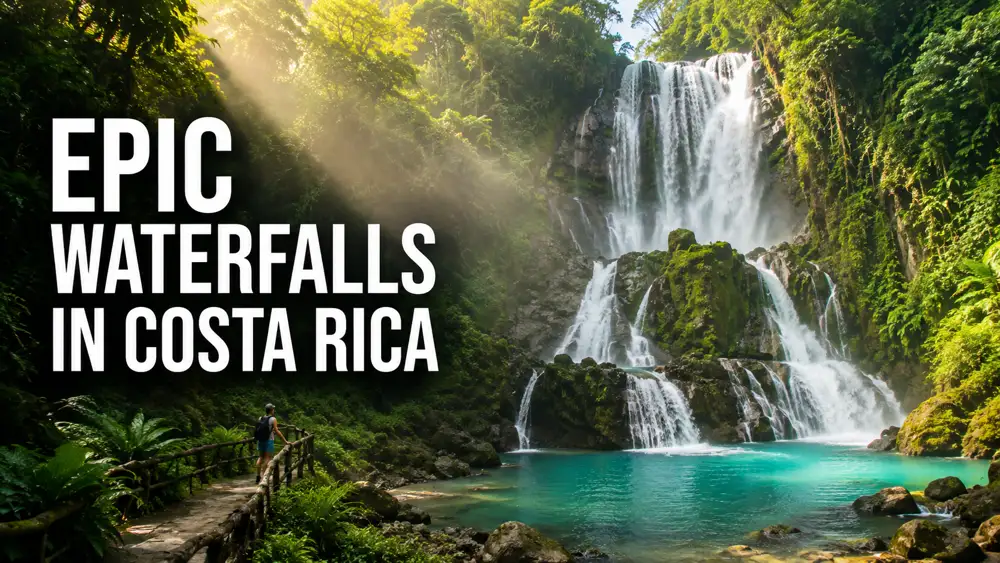
Experience Epic Waterfalls in Costa Rica You Can’t Miss: Practical Tips for Travelers
Epic waterfalls in Costa Rica you can’t miss are hidden among volcanic mountains, cloud forests and tropical valleys where rivers tumble into clear natural pools. In this guide, Things to do Global brings together the country’s most rewarding waterfall experiences, from accessible family stops to challenging hiking trails designed for adventurous travelers.
Costa Rica receives heavy seasonal rainfall and has steep volcanic terrain, creating waterfalls in almost every region. Some falls are protected inside national parks, while others are managed by local communities or private reserves. That variety means you can plan a short roadside visit, a half-day rainforest walk or a full adventure travel experience involving river crossings and canyon trails.
Table of Contents
Why Costa Rica Is Perfect for Waterfall Adventures
Waterfalls are more than photo stops here. They connect visitors with rainforest ecosystems, rural communities and the geological forces that shaped the country. A good waterfall itinerary also takes you beyond resort areas and introduces quieter landscapes.
Conditions change quickly. A calm swimming pool can become unsafe after heavy rain, and an easy dry-season trail may turn muddy in the wetter months. Treat every warning sign seriously, follow local instructions and never assume that swimming is permitted simply because other visitors are in the water.
1. La Fortuna Waterfall, Alajuela
La Fortuna Waterfall is one of Costa Rica’s best-known nature attractions. The river drops about 70 metres into a forested gorge near Arenal Volcano. Visitors first reach a viewpoint and then descend roughly 500 maintained steps to the base.
The staircase makes access straightforward, but the return climb requires moderate fitness. Rest platforms help, and an upper viewpoint allows travelers with limited mobility to enjoy the scene without completing the descent. Swimming may be allowed in designated river areas when the current is safe.
Arrive early for cooler temperatures and lighter crowds. Bring water, a swimsuit, a quick-dry towel and shoes with reliable grip. Combine the waterfall with Arenal Volcano trails or an evening hot-spring visit for a full day.
2. Río Celeste Waterfall, Guanacaste
Río Celeste is famous for its striking blue water inside Tenorio Volcano National Park. The color is produced by a natural optical effect involving minerals carried by two converging streams. Visitors follow a rainforest trail to a staircase overlooking the waterfall.
Swimming is not permitted inside the national park. This protects the river and keeps visitors safe around steep terrain. Rain can temporarily reduce the vivid blue appearance, so keep expectations flexible during the wet season.
The official Tenorio Volcano National Park guide provides current visitor information. Go early because entry closes before the park itself, and wear proper walking shoes for muddy sections.
3. Nauyaca Waterfalls, South Pacific
Nauyaca Waterfalls sit in a forested canyon inland from Dominical. Two major tiers create a dramatic setting, and the lower section is known for its broad rock face and natural pool. Access options can include hiking, horseback riding or organized vehicle transport, depending on the operator and current conditions.
The walking route is rewarding but can feel demanding in heat and humidity. Carry more water than you expect to need and begin early. Travelers short on time may find paid transport worthwhile because it preserves energy for enjoying the falls.
Swimming conditions depend on rainfall and staff guidance. Stay within approved areas and avoid climbing wet rock faces, even when they appear manageable.
4. Llanos de Cortés, Guanacaste
Llanos de Cortés is a wide, curtain-like waterfall near Bagaces. A relatively short descent leads to a sandy area and pool, making this one of the easier outdoor activities for travelers moving between Liberia and inland destinations.
The falls are popular with local families, especially on weekends and holidays. Visit on a weekday morning for a calmer experience. Facilities and payment rules can change, so carry Costa Rican colones as well as a card and confirm current admission details before departure.
Pack snacks and water because services may be limited. Do not leave valuables unattended while swimming.
5. La Leona Waterfall, Guanacaste
La Leona offers a more active experience near Curubandé. Reaching the waterfall typically involves guided hiking, river crossings and swimming through a narrow blue-water canyon. The final approach feels adventurous and is very different from a standard viewpoint visit.
Book with a responsible local guide because water levels and safe routes require current knowledge. Secure water shoes are usually better than open sandals. A dry bag, change of clothes and minimal valuables will make the trip easier.
This activity may not suit weak swimmers, very young children or travelers with mobility limitations. Ask detailed questions about the route before booking rather than relying only on promotional photographs.
6. Catarata del Toro, Central Highlands
Catarata del Toro plunges into an old volcanic crater surrounded by dense vegetation. Its height and enclosed setting make it one of the most dramatic epic waterfalls in Costa Rica you can’t miss.
The trail includes many steps and can be slippery, but viewing platforms provide several perspectives. The cooler highland climate can be refreshing compared with the coast. Cloud and mist add atmosphere, although heavy rain may reduce visibility.
Pair the visit with nearby gardens, smaller waterfalls or a rural stay rather than rushing through the area. Driving times on mountain roads are often longer than map estimates suggest.
7. Uvita Waterfall, South Pacific
Uvita Waterfall is a smaller, relaxed option near the coastal town of Uvita. Its rock formation resembles a natural slide, but visitors should only use it when local staff say conditions are safe. The surrounding pools offer a refreshing break after exploring beaches or Marino Ballena National Park.
This stop works well in a flexible South Pacific itinerary. Visit outside peak afternoon hours, use secure footwear and protect phones from sudden splashes.
How to Plan a Costa Rica Waterfall Route
Costa Rica looks compact on a map, but mountain roads, rain and traffic increase travel time. Instead of trying to see every waterfall, group them by region.
- Arenal and Northern Plains: La Fortuna and Río Celeste
- Guanacaste: Llanos de Cortés and La Leona
- Central Highlands: Catarata del Toro and nearby forest reserves
- South Pacific: Nauyaca and Uvita
Allow at least two nights in a region when a waterfall requires a long hike. A rushed cross-country checklist creates more driving than meaningful exploration. Find more route ideas in our guide to outdoor adventures.
Best Time to Visit Costa Rica’s Waterfalls
The drier period generally brings easier trails and clearer roads, while the wetter months produce stronger water flow and greener landscapes. Neither season is automatically better.
Schedule hikes early because rain and thunderstorms often develop later. During or immediately after severe rain, postpone swimming and canyon activities. Check locally rather than relying on yesterday’s weather forecast for another region.
Essential Packing List
- Closed hiking shoes or secure water shoes
- Lightweight rain jacket
- Reusable water bottle
- Quick-drying clothing and towel
- Insect repellent and sun protection
- Waterproof phone pouch or dry bag
- Small amount of local currency
- Spare clothes left securely in the vehicle
Responsible Waterfall Travel
Stay on marked trails, carry out all rubbish and avoid soaps or cosmetic products in natural pools. Never feed wildlife or remove plants, rocks or other natural material. Using community-run entrances and qualified local guides helps tourism revenue remain in the area.
Frequently Asked Questions
1. What are the best waterfalls in Costa Rica?
La Fortuna, Río Celeste, Nauyaca, Llanos de Cortés, La Leona, Catarata del Toro and Uvita are excellent choices with different access levels.
2. Can you swim at Costa Rica waterfalls?
Swimming is allowed at some waterfalls but prohibited at others, including Río Celeste inside Tenorio Volcano National Park. Always follow current signs and staff instructions.
3. Do I need a guide?
Easy managed sites can be visited independently. A guide is strongly recommended for canyon routes, river crossings and wildlife-focused hikes.
4. Are waterfall trails suitable for children?
Some are, but steep stairs, strong currents and slippery terrain require close supervision. Confirm age restrictions before booking.
5. What shoes should I wear?
Use closed hiking shoes for trails and secure water shoes for river-based tours. Flip-flops provide poor grip.
6. Which waterfall is easiest to reach?
Llanos de Cortés and Uvita are generally easier than long hiking destinations, although access conditions can change.
7. When is water flow strongest?
Flow is usually stronger during the rainy season, but excessive rain can close trails or make swimming unsafe.
8. Can I visit several waterfalls in one day?
Only when they are close together. Regional planning is safer and more enjoyable than long-distance rushing.
9. Should I book tickets in advance?
Book guided experiences and popular national parks ahead during busy periods. Smaller community sites may accept payment on arrival.
10. How can I protect my belongings?
Carry minimal valuables, use a dry bag and never leave phones or wallets unattended near swimming areas.
Plan Your Waterfall Adventure
The epic waterfalls in Costa Rica you can’t miss offer everything from peaceful viewpoints to demanding hiking trails and canyon swims. Choose experiences that match your fitness, schedule and comfort in water. With early starts, responsible behavior and realistic driving plans, Costa Rica’s waterfalls can become the most memorable part of your journey.
Tags :
example, category, and, terms