in

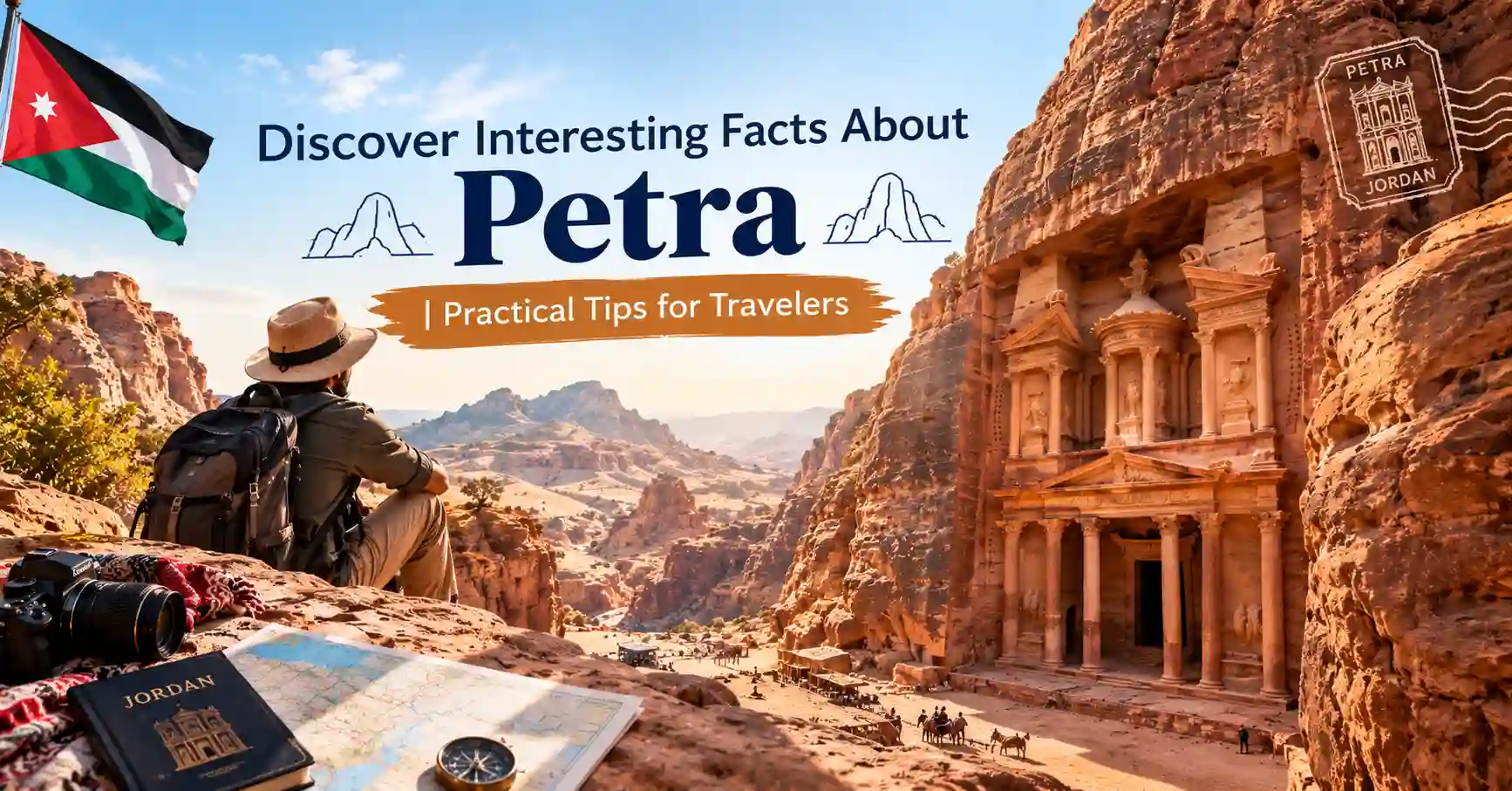
Discover Interesting Facts About Petra | Practical Tips for Travelers
Interesting facts about Petra is the starting point for this practical guide from Things to do Global. Petra is a Nabataean city in southern Jordan, famous for rock-cut architecture, caravan trade, sophisticated water engineering, and the dramatic approach through the Siq. This article combines a useful travel guide with realistic places to visit, trip ideas, and destination planning advice so you can understand the destination before you book.
Table of Contents
1. Petra Was a Nabataean Capital
Petra flourished as the capital of the Nabataean kingdom, whose traders connected routes carrying incense, spices, textiles, and other valuable goods. Its wealth helped fund monumental tombs, temples, and infrastructure in a harsh desert environment.
2. The City Is Both Built and Carved
One of the most interesting facts about Petra is that it is partly constructed and partly carved directly into sandstone cliffs. This combination gives façades such as the Treasury their extraordinary relationship with the surrounding rock.
3. The Siq Is the Famous Entrance
Most visitors enter through the Siq, a narrow natural gorge that twists between high rock walls. The first glimpse of the Treasury through the final opening is one of travel’s classic reveals, but the archaeological park continues far beyond it.
4. The Treasury Was Probably a Tomb
Al-Khazneh is called the Treasury because of later legends about hidden riches, but archaeologists generally interpret it as a monumental tomb or funerary structure. Its façade blends Nabataean, Hellenistic, and regional influences.
5. Petra Was a Major Trade Crossroads
Petra stood between Arabia, Egypt, and the eastern Mediterranean. Caravan trade helped the Nabataeans prosper, and the city became a place where cultural and architectural influences met.
6. Water Engineering Made the City Possible
The Nabataeans developed dams, channels, cisterns, and pipes to manage flash floods and capture scarce water. This engineering supported a substantial population and remains one of Petra’s most impressive achievements.
7. Petra Is Much Larger Than the Treasury
The main trail continues past the Treasury to tombs, a theater, colonnaded street, temples, and Qasr al-Bint. Travelers who turn around at the Treasury miss most of the site and the scale of the ancient city.
8. The Monastery Requires a Climb
Ad Deir, known as the Monastery, is another monumental rock-cut façade. Reaching it typically involves a long stair climb, so comfortable footwear, water, and realistic pacing are essential, especially in warm weather.
9. Petra Became a UNESCO World Heritage Site
UNESCO inscribed Petra in 1985. Its importance reflects the extraordinary architecture, archaeological remains, trade history, and water-management systems preserved in a dramatic landscape.
10. Different Civilizations Left Their Mark
Petra is most strongly associated with the Nabataeans, but Edomite, Roman, Byzantine, and later histories are also part of the wider site. Churches, roads, tombs, and reused structures reveal centuries of change.
11. Sandstone Creates Petra’s Colors
Petra’s cliffs can show rose, red, orange, cream, and purple bands. Light changes the appearance through the day, which is why early morning and late afternoon can be especially rewarding for photography.
12. The Theater Was Cut Into Rock
Petra’s theater is carved largely from the mountainside and was later modified during Roman rule. Its position among tombs and cliffs makes it one of the site’s clearest examples of architecture adapting to natural geology.
13. The Royal Tombs Form a Monumental Row
Across from the main urban area, the Royal Tombs create a dramatic sequence of façades. The Urn, Silk, Corinthian, and Palace Tombs show different designs and offer elevated views over the archaeological park.
14. Petra Declined Gradually
Changes in trade routes, political control, and damaging earthquakes contributed to Petra’s decline. The city was never truly unknown to local communities, even though it later became romanticized in European travel accounts as a rediscovered lost city.
15. One Day Is Possible, Two Is Better
A single long day covers the main trail and perhaps the Monastery for fit visitors, but two days allow a slower pace, more viewpoints, and time to appreciate details without treating the site as a race.
How to Plan Your Visit
For more inspiration, explore our global travel destinations. Petra is about a three-hour drive from Amman by the faster Desert Highway and roughly 1.5 hours from Aqaba according to Jordan’s official tourism information. Stay in Wadi Musa for the easiest early start, carry water, wear grippy shoes, and check current ticket and trail conditions before arrival.
Authoritative Travel Resource
Jordan’s official tourism sources explain Petra’s Nabataean history, trails, access, and water engineering. Use the Jordan Tourism Board Petra guide for current official information before travel.
10 Frequently Asked Questions
1. What is Petra most famous for?
Petra is best known for the headline experiences covered in this guide, but its appeal also comes from food, neighborhoods, landscapes, and local culture.
2. How many days should I spend in Petra?
A focused visit can work in three to four days, while a week or more gives you time to slow down and add day trips or regional experiences.
3. When is the best time to visit Petra?
The best season depends on your priorities. Shoulder seasons often balance comfortable weather with lighter crowds, while peak periods offer the fullest schedules but higher demand.
4. What should I book in advance?
Reserve must-do attractions, limited-capacity tours, popular accommodation, and important transport first, especially during holidays and peak travel months.
5. Is Petra good for first-time travelers?
Yes. With basic destination planning, realistic daily routes, and attention to local customs, first-time visitors can build a straightforward and rewarding trip.
6. How can I save money?
Mix paid highlights with free walks, viewpoints, markets, public spaces, and neighborhood exploration. Booking transport and accommodation early can also help.
7. Do I need a guided tour?
Not everywhere, but a good guide can add context at complex historic sites and save time when logistics are difficult.
8. What should I pack?
Comfortable walking shoes, weather-appropriate layers, sun protection, a reusable water bottle, and a secure day bag cover most sightseeing needs.
9. Is public transport useful?
In major cities it is often the easiest option. For rural areas or dispersed landmarks, a rental car, transfer, or organized excursion may be more practical.
10. What is the biggest planning mistake?
Trying to see too much. Group nearby sights, allow transfer time, and leave some unscheduled space for meals, weather changes, and unexpected discoveries.
Extra Petra Planning Notes
Petra is physically demanding because the archaeological park is large and the main route involves substantial walking on stone, sand, and uneven surfaces. Start early if possible, especially in warmer months. The Treasury appears relatively near the beginning, but major sights continue much farther into the valley, and the Monastery adds a significant climb. Visitors with limited mobility should review current accessibility options and official transport information before arrival.
Photography changes dramatically with light. The narrow Siq can be cool and shadowed, while open areas become bright and hot. Carry sun protection and enough water, but avoid overloading your day bag. A second day is useful for travelers who want to explore viewpoints, tombs, museums, or longer trails without racing.
Wadi Musa, the modern town beside Petra, has accommodation at several price levels and is the most practical base for an early entrance. Travelers combining Petra with Wadi Rum or Aqaba should allow realistic road time. Jordan’s weather varies by season and elevation, so evenings can feel much cooler than midday. Most importantly, remember that Petra is an archaeological landscape rather than a single monument. The water systems, quarrying, roads, tombs, temples, and natural geology are what make the city extraordinary as a whole.
A local guide can also help explain details that are easy to overlook, including carved symbols, water channels, tomb design, and the changing functions of buildings over time. If history is a priority, guided interpretation can make a short visit significantly more meaningful.
Final Thoughts
These interesting facts about Petra show why the site deserves more than a quick Treasury photo. Its trade history, rock-cut architecture, water engineering, tombs, temples, and mountain setting form one connected archaeological landscape. Give yourself enough time to walk beyond the first famous façade.
Practical Booking Strategy
Book the experiences that can sell out first, then leave flexible time around them. Compare official ticket conditions, cancellation rules, transport time, and the location of your accommodation before paying. A balanced itinerary usually works better than filling every hour, especially when weather, queues, traffic, or local events can change the pace of a day.
Budget and Timing Tips
Separate fixed costs such as accommodation and long-distance transport from flexible daily spending on food, local travel, and attractions. Early starts are useful at headline sights, while late afternoons can be better for neighborhoods, viewpoints, and relaxed meals. Check seasonal opening hours close to departure rather than relying on an old itinerary.
Responsible Travel Notes
Respect active religious sites, local communities, protected landscapes, and photography rules. Use marked paths where required, avoid blocking residential streets for photos, and support locally owned guides, cafés, and shops when practical. Small choices can make a trip more enjoyable for visitors and residents alike.
Tags :
example, category, and, terms