in

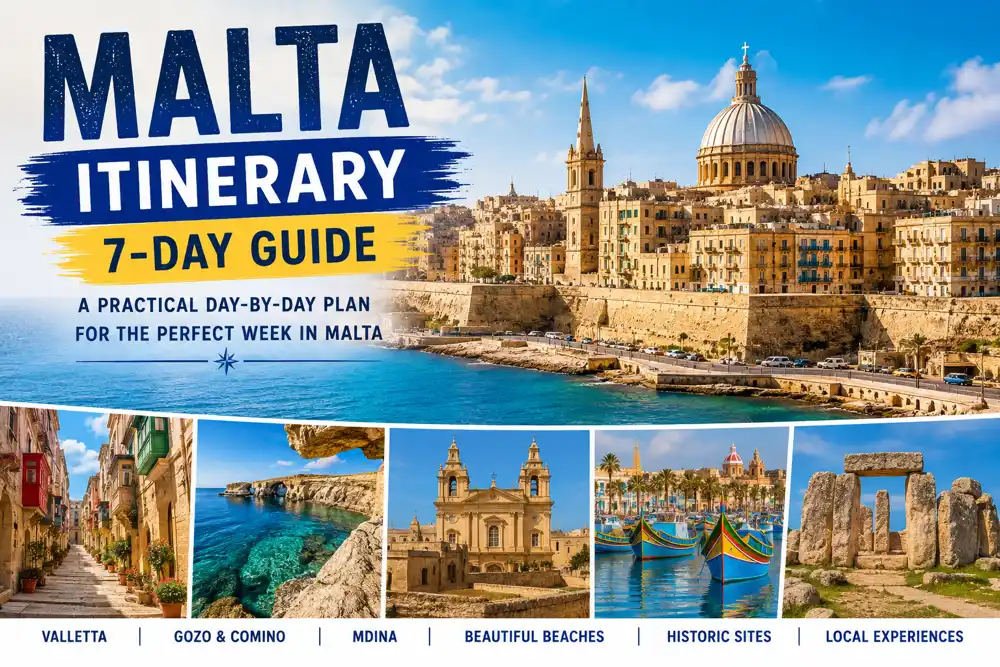
Malta 7-Day Itinerary | A Practical Day-by-Day Plan
Malta itinerary planning can feel surprisingly difficult for such a small Mediterranean country. There are historic cities, prehistoric temples, dramatic cliffs, swimming spots, fishing villages, and the neighboring islands of Gozo and Comino competing for your time. This practical guide from Things to do Global organizes the highlights into a realistic seven-day trip plan so you can experience Malta without spending your entire holiday rushing between attractions.
This Malta 7-day itinerary combines culture, coastal scenery, beaches, island adventures, and relaxed evenings. You can follow the complete day-by-day route or adapt it to your interests, accommodation, weather, and travel pace.
Table of Contents
Malta 7-Day Itinerary at a Glance
Here is the basic travel schedule for your week:
- Day 1: Valletta and the Three Cities
- Day 2: Gozo and Comino
- Day 3: Mdina, Rabat, and Dingli Cliffs
- Day 4: Għajn Tuffieħa and Malta’s northwest coast
- Day 5: Ħaġar Qim, Mnajdra, and Blue Grotto
- Day 6: Sliema and St. Julian’s
- Day 7: Marsaxlokk and St. Peter’s Pool
It gives first-time visitors a good balance between Malta’s famous attractions and time to enjoy the Mediterranean atmosphere.
What to Know Before Starting Your Malta Itinerary
Malta sits in the central Mediterranean and consists primarily of Malta, Gozo, and Comino. English and Maltese are official languages, and the euro is the currency.
Malta also drives on the left, something worth remembering if you’re planning to rent a car.
Public buses connect most major destinations, while ferries are particularly useful for journeys between Valletta, Sliema, the Three Cities, Gozo, and Comino. Renting a car provides greater flexibility, but parking and traffic can make driving less convenient around busy urban areas.
For official visitor information and current destination guidance, check VisitMalta, Malta’s official tourism website before travelling.
Best Time to Visit Malta
Spring and autumn are excellent periods for sightseeing because temperatures are generally more comfortable for walking.
Summer is ideal if swimming, boat trips, and beaches are your priorities, although popular attractions can become crowded and the midday heat can be intense.
Winter is quieter and can work well for history-focused trips, although beach activities and some boat services may be affected by weather.
Where to Stay for a 7-Day Malta Trip
Choosing a convenient base can dramatically improve your Malta itinerary.
Valletta
Stay in Valletta if history, architecture, museums, restaurants, and easy ferry connections matter most to you. It is especially convenient for travelers who prefer exploring on foot.
Sliema
Sliema works well as a central base with restaurants, shopping, waterfront walks, buses, and ferry connections to Valletta.
St. Julian’s
St. Julian’s is a better choice for travelers interested in restaurants, bars, nightlife, and a livelier atmosphere after sightseeing.
For a seven-night trip, staying in one central location is usually easier than changing hotels repeatedly.
For more destination-planning ideas, explore our travel itineraries before organizing your next trip.
Day 1: Discover Valletta and the Three Cities
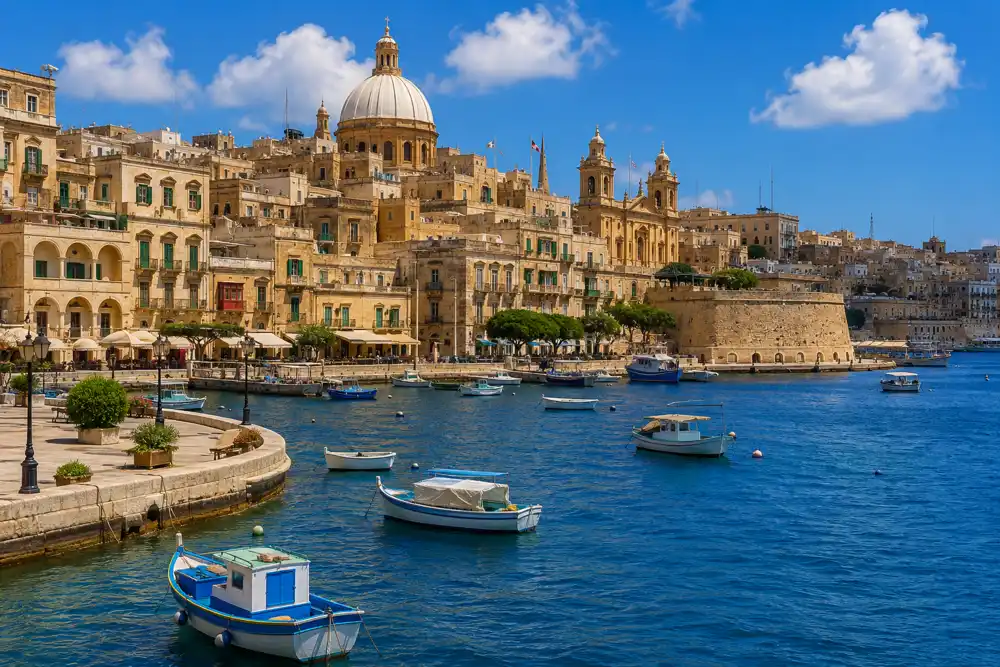
Start your Malta itinerary in Valletta, the country’s compact capital and one of Europe’s most distinctive fortified cities.
Morning: Walk Through Historic Valletta
Begin near the City Gate and explore Valletta on foot. The streets themselves are part of the experience, with honey-colored stone buildings, traditional enclosed balconies, steep lanes, churches, and glimpses of the Mediterranean.
Make time for St. John’s Co-Cathedral if you enjoy art and architecture.
Continue toward the Upper Barrakka Gardens for one of Valletta’s most recognizable views across the Grand Harbour.
Afternoon: Explore the Three Cities
Cross the Grand Harbour and spend part of your afternoon discovering Vittoriosa, Senglea, and Cospicua, collectively known as the Three Cities.
Vittoriosa is particularly rewarding for wandering without a strict plan. Its narrow streets, historic buildings, waterfront, and quieter atmosphere provide a nice contrast to central Valletta.
Evening: Dinner in Valletta
Return to Valletta for dinner. Instead of packing another attraction into the evening, enjoy the city’s streets after sunset and try Maltese or Mediterranean cuisine.
Day 2: Take a Gozo and Comino Day Trip
Day two takes your day-by-day route beyond Malta’s main island.
Gozo feels slower and more rural, while tiny Comino is famous for its remarkably clear water.
Morning: Explore Gozo
Start early because there is plenty to see.
Popular Gozo stops include Victoria and its Citadel, coastal viewpoints, villages, beaches, and impressive natural landscapes.
If you’re traveling independently, avoid trying to cover every attraction. Choose two or three main places and leave enough time to enjoy them.
Afternoon: Swim at Comino’s Blue Lagoon
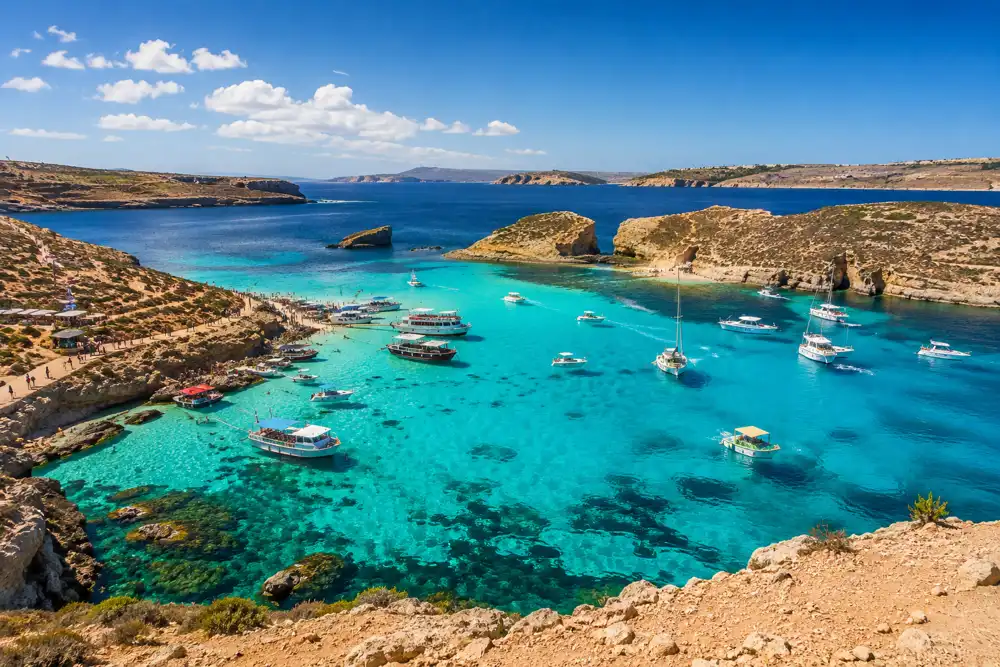
Continue to Comino and the famous Blue Lagoon.
Its brilliant turquoise water makes it one of Malta’s best-known swimming and snorkeling locations. Summer can be extremely busy, so earlier or later visits may provide a more enjoyable experience.
Boat schedules can be weather-dependent, so check conditions before committing to a tightly timed travel schedule.
Day 3: Mdina, Rabat and Sunset at Dingli Cliffs
The third day of this Malta 7-day itinerary moves inland to explore some of the country’s most atmospheric historical locations.
Morning: Step Inside the Silent City of Mdina
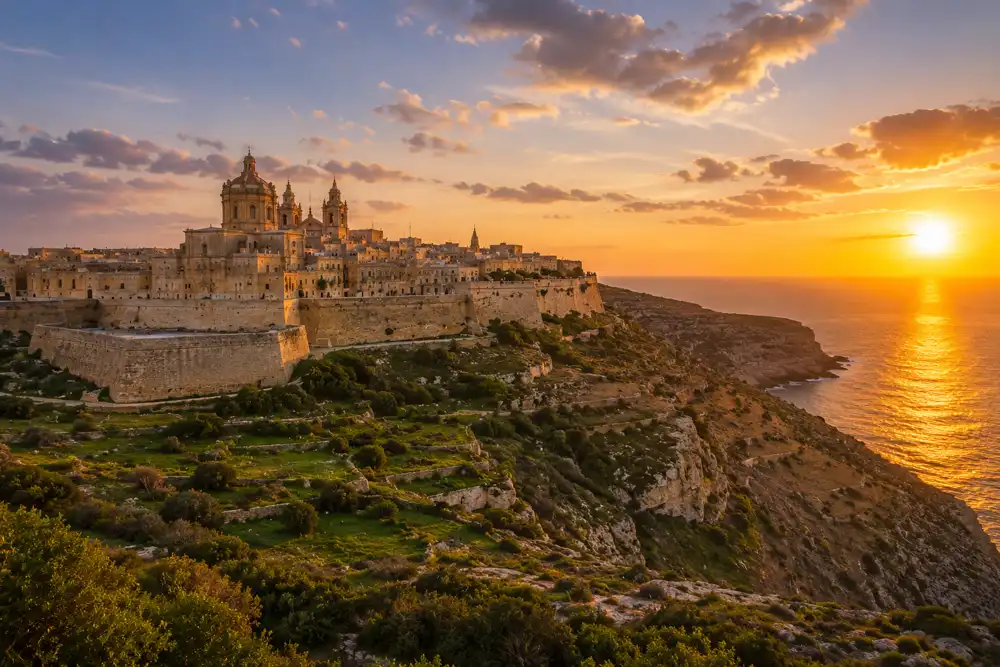
Mdina was Malta’s historic capital and remains enclosed by imposing fortifications.
Enter through its grand gateway and wander through narrow streets lined with limestone palaces, churches, courtyards, and colorful balconies.
Mdina is relatively compact, so give yourself time to explore slowly rather than treating it as a quick photo stop.
Afternoon: Explore Rabat
Walk into neighboring Rabat for lunch and additional sightseeing.
Rabat provides a more lived-in atmosphere and is known for important historical and religious sites, including St. Paul’s Catacombs.
Evening: Watch Sunset at Dingli Cliffs
Finish your day at Dingli Cliffs, where Malta’s coastline rises dramatically above the Mediterranean.
Arrive before sunset so you have enough daylight to walk around and find a good viewpoint. Bring comfortable shoes and something warm if you’re visiting outside summer.
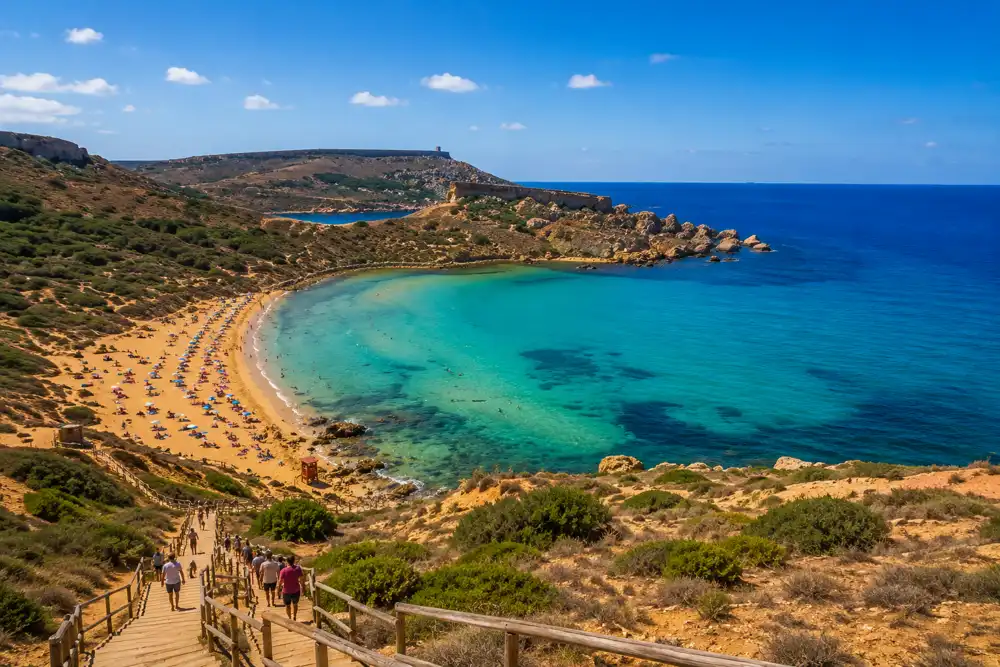
Day 4: Relax at Għajn Tuffieħa Bay
After three busy sightseeing days, slow down.
Għajn Tuffieħa is one of Malta’s most beautiful coastal areas and makes an excellent addition to a balanced Malta itinerary.
Morning and Afternoon: Beach Time
The bay is surrounded by rugged scenery and reached by a long staircase.
Pack water, sun protection, swimwear, and comfortable footwear. Spend several hours swimming, sunbathing, or simply enjoying the landscape.
Nearby Golden Bay is another option and can be combined with Għajn Tuffieħa if you want to see more of the northwest coast.
Optional Alternative: Popeye Village
Travelers who prefer attractions over a full beach day can include Popeye Village, the colorful film set created for the 1980 musical production Popeye.
This can be particularly fun for families and photographers.
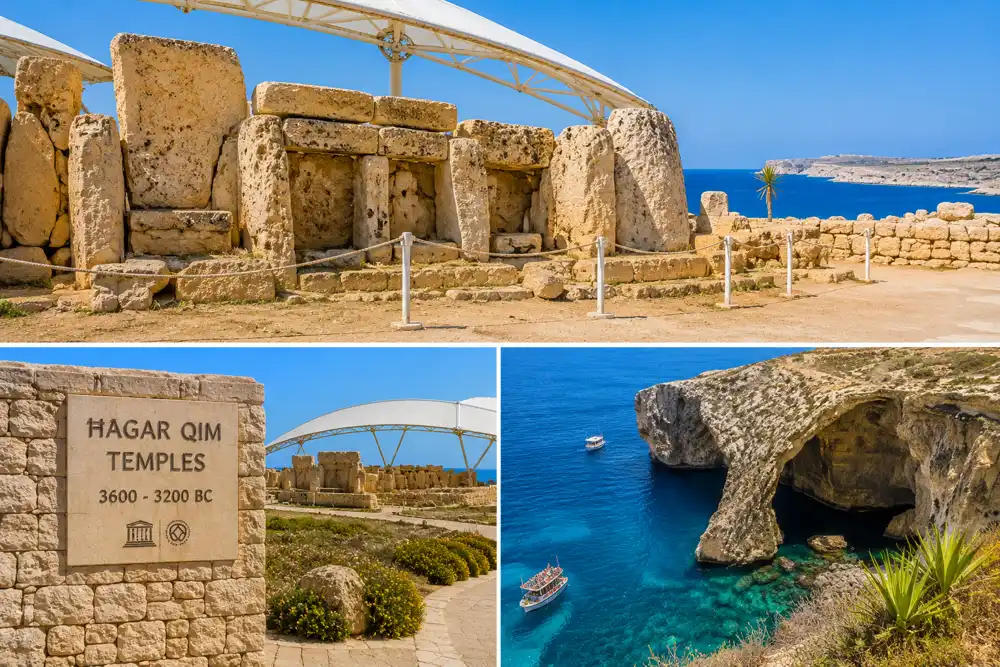
Day 5: Ħaġar Qim, Mnajdra and the Blue Grotto
Day five combines Malta’s ancient past with one of its best-known natural attractions.
Morning: Visit Malta’s Prehistoric Temples
Start at Ħaġar Qim and Mnajdra, remarkable megalithic temple complexes on Malta’s southern coast.
These archaeological sites offer a completely different perspective on the island. Seeing monumental structures built thousands of years ago makes this one of the most culturally important days in your trip plan.
Allow enough time for both the temples and surrounding coastal views.
Afternoon: See the Blue Grotto
Continue toward the Blue Grotto.
On suitable weather days, small boat trips take visitors along the rocky coastline and into sea caves where sunlight creates vivid shades of blue in the water.
Boat trips depend on sea conditions, so keep this section of your Malta itinerary slightly flexible.
Day 6: Explore Sliema and St. Julian’s
Day six introduces modern Malta.
After several days of historic cities, temples, and natural landscapes, Sliema and St. Julian’s offer waterfront promenades, cafés, shopping, restaurants, and nightlife.
Morning: Walk Along the Sliema Waterfront
Start with a relaxed walk along the promenade.
You can stop for coffee, browse shops, enjoy harbor views, or find one of the rocky swimming areas along the coastline during warmer months.
Sliema also provides excellent views toward Valletta from across the water.
Afternoon and Evening: St. Julian’s
Continue toward St. Julian’s.
Explore Spinola Bay and its waterfront before choosing a restaurant for dinner. Travelers looking for nightlife can continue toward Paceville, while those who prefer a quieter evening can stay around the waterfront.
This intentionally relaxed day prevents your seven-day travel schedule from becoming exhausting.
Day 7: Marsaxlokk and St. Peter’s Pool
Finish your Malta itinerary in the southeast.
Morning: Visit Marsaxlokk
Marsaxlokk is a traditional fishing village famous for its harbor and colorful Maltese boats.
Walk along the waterfront, explore the market when operating, and stop for a seafood lunch.
Sunday is particularly popular because of the larger market, although this also means bigger crowds.
Afternoon: Swim at St. Peter’s Pool
If conditions are suitable, finish your week at nearby St. Peter’s Pool, a natural swimming area surrounded by limestone.
There is limited natural shade, so bring plenty of water and sun protection.
If swimming conditions aren’t favorable, spend additional time around Marsaxlokk or explore more of Malta’s southeastern coastline instead.
How to Get Around Malta for 7 Days
Transportation can determine whether your Malta itinerary feels easy or unnecessarily stressful.
Public buses are useful for budget-conscious travelers and cover much of the island. Ferries are often faster and more scenic for certain coastal routes.
A rental car provides the greatest freedom for destinations such as Dingli Cliffs and more remote beaches. However, remember that traffic drives on the left and parking can be challenging in busy locations.
Taxis and ride-hailing services are another convenient choice when public transport connections require multiple changes.
The best solution may be a combination: buses and ferries for major cities, with occasional taxis or a rental vehicle for less accessible places.
How Much Does a Week in Malta Cost?
Your budget depends heavily on travel season and accommodation style.
Budget travelers can reduce expenses by staying in hostels or apartments, using public transport, eating at casual restaurants, and choosing free attractions such as beaches and viewpoints.
Mid-range travelers can combine comfortable hotels with paid attractions, boat excursions, restaurant meals, and occasional taxis.
Booking accommodation and popular summer boat trips in advance can also help you compare options instead of accepting whatever remains available.
What to Eat During Your Malta Trip
Food deserves space in your Malta itinerary.
Try pastizzi, Malta’s famous flaky pastries commonly filled with ricotta or peas. Other traditional foods worth looking for include ftira, rabbit dishes, Maltese bread, seafood, and local sweets.
Marsaxlokk is a natural place to include seafood, while Valletta and St. Julian’s provide an extensive range of traditional and contemporary restaurants.
Can You Use This as a Shorter Malta Weekend Itinerary?
Yes. If you only have three or four days, this weekend itinerary can easily be condensed.
For three days, prioritize Valletta, Mdina and Rabat, followed by either Gozo and Comino or Malta’s southern coast.
With four days, add another coastal or beach day.
Don’t attempt to squeeze all seven days into a long weekend. Malta may look tiny on a map, but traffic, ferry journeys, waiting times, and sightseeing can quickly consume your day.
Practical Tips for Your Malta Itinerary
Wear comfortable walking shoes because Malta’s historic cities have slopes, steps, and uneven streets.
Carry sunscreen and water during warmer months, particularly when visiting beaches, temples, cliffs, and exposed coastal areas.
When visiting churches, dress respectfully and be prepared to cover shoulders or legs where required.
Most importantly, don’t schedule every hour. Leaving some flexibility for weather, swimming conditions, longer lunches, or unexpected discoveries usually creates a much better trip.
Is 7 Days Enough for Malta?
Seven days is an excellent amount of time for a first visit.
A full week gives you enough time to experience Valletta, Mdina, Gozo, Comino, Malta’s southern archaeological sites, beaches, fishing villages, and modern waterfront districts without turning every day into a race.
This Malta itinerary works especially well because it alternates demanding sightseeing days with slower coastal experiences.
Final Thoughts: Planning the Perfect Week in Malta
A successful Malta 7-day itinerary isn’t about checking off every attraction on the map. It’s about combining Malta’s extraordinary history with the Mediterranean lifestyle that makes the islands enjoyable in the first place.
Spend your mornings discovering fortified cities and ancient temples, but leave room for swimming in turquoise water, watching sunsets from cliffs, eating beside the harbor, and wandering through streets without an agenda.
Follow this day-by-day route as written or adjust the trip plan around your interests. Either way, seven days gives you enough time to understand why this small Mediterranean destination offers much more than its size suggests.
FAQs About a Malta 7-Day Itinerary
1. Is 7 days enough for Malta?
Yes. Seven days provides enough time to visit Malta’s major historical attractions, beaches and coastal destinations while also taking a day trip to Gozo and Comino.
2. What is the best Malta itinerary for first-time visitors?
A first-time Malta itinerary should include Valletta, Mdina, Rabat, Gozo, Comino, Blue Grotto, prehistoric temples, at least one beach, and Marsaxlokk.
3. Do I need a rental car in Malta?
No. Many major attractions are accessible using buses and ferries. Renting a car can, however, make remote beaches and rural locations easier to reach.
4. Where should I stay for one week in Malta?
Valletta, Sliema, and St. Julian’s are among the most convenient bases. Valletta suits history lovers, Sliema offers convenient transport, and St. Julian’s works well for nightlife.
5. What is the best month to visit Malta?
Spring and autumn are particularly attractive for sightseeing because they generally offer comfortable conditions without the peak summer heat and crowds.
6. Can I visit Gozo and Comino on the same day?
Yes, organized excursions frequently combine the islands. However, travelers wanting to explore Gozo in greater depth should consider giving it a separate full day or overnight stay.
7. Is Malta expensive to visit?
Malta can accommodate different budgets. Accommodation prices vary considerably by season, while public transportation and free outdoor attractions can help keep daily costs manageable.
8. How many days should I spend in Valletta?
One full day is enough to see many of Valletta’s highlights. History enthusiasts may prefer two days to explore museums, churches, fortifications, and nearby Three Cities more thoroughly.
9. What should I pack for seven days in Malta?
Pack comfortable walking shoes, sunscreen, sunglasses, swimwear, breathable clothing, a reusable water bottle, and modest clothing suitable for church visits.
10. Can I follow this Malta itinerary without a car?
Yes. The travel schedule can largely be completed using buses, ferries, tours, and occasional taxis. Allow additional travel time when relying entirely on public transportation.
Tags :
example, category, and, terms