in

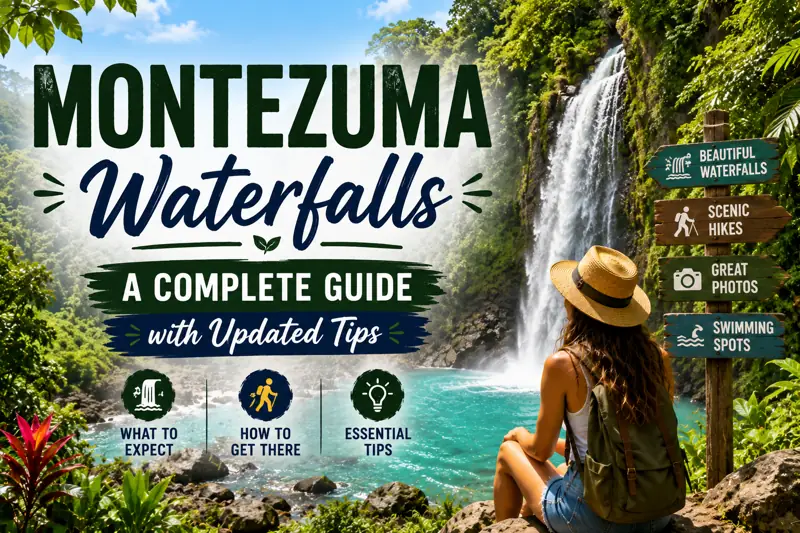
Montezuma Waterfalls | A Complete Guide with Updated Tips
Montezuma waterfalls everything you need to know begins with one essential fact: this is a natural river environment, not a controlled swimming park. Trails, water depth and currents change with rainfall. In this complete guide, Things to do Global explains access routes, hiking trails, swimming safety, packing and responsible adventure travel. The Montezuma Waterfalls are a series of cascades near Montezuma on Costa Rica’s Nicoya Peninsula. The large lower waterfall is the best-known, while upper cascades can be reached through steeper routes or managed access systems. Visitors should choose a route based on fitness, weather and local guidance rather than online photographs.
Table of Contents
Understanding the Three Waterfalls
The lower fall has the largest visible drop and a pool at its base. Upper areas include smaller falls and pools connected by rugged terrain. Descriptions and numbering can vary between guides, which is why following a current route is more important than trying to identify every cascade independently. Do not climb around barriers or improvise shortcuts. Rock that appears dry can be polished and extremely slippery.
Main Access Routes
Riverbed Trail
The common free approach begins near town and follows the river toward the lower waterfall. It may involve scrambling over rocks, uneven surfaces and crossings. After rain, this route can become difficult or unsafe. Allow more time than a normal walking distance suggests. Wear closed shoes with grip and keep both hands available rather than carrying loose items.
Managed Upper Access
Private or managed trail systems may provide bridges, maintained sections or easier access toward upper waterfalls for a fee. Current names, fees and operating arrangements can change. This can be the better choice for travelers who want clearer infrastructure, but it does not remove all natural hazards.
Guided Route
A local guide is valuable after rain, for families or for visitors uncertain about river crossings. A guide should explain risk and choose safe alternatives, not encourage dramatic jumps.
How Difficult Is the Hike?
The lower route is short in distance but moderate or challenging in practice due to rocks, mud and water. Travelers need balance and suitable footwear. Upper access can involve steep stairs or demanding connecting paths. People with knee, mobility or balance limitations should discuss current conditions with a reputable guide. Turning back is a sensible decision when the route feels unsafe.
Can You Swim at Montezuma Waterfalls?
Swimming may be possible in natural pools when water levels and currents are suitable. There is no guarantee. Avoid swimming during high flow, after severe rain or when the water is cloudy and forceful.
Never swim alone. Stay away from the direct force of falling water and submerged rock hazards.
Never Jump From the Waterfalls
Some visitors copy local or experienced divers. This is dangerous. Water depth changes, submerged rocks are difficult to see and rescue access is limited. The local Montezuma information site specifically warns that jumping from the main waterfall is unsafe because of dangerous rocks. Watching someone else survive a jump does not make it safe.
Best Time of Day
Go early for cooler temperatures and more time to respond if conditions change. Afternoon rain can raise river levels quickly during the green season. Avoid beginning late because forest and river terrain become harder to navigate in fading light.
Dry Season vs Green Season
Dry months usually bring easier paths and lower flow, although waterfalls may be less dramatic. The green season provides stronger cascades but creates mud, slippery rocks and flash-flood risk. Ask locally about rainfall upstream, not only the weather directly over town. A sunny morning does not guarantee a stable river.
What to Wear
- Closed trail shoes with strong grip
- Quick-drying clothing
- Secure swimwear
- Lightweight rain protection
- No loose flip-flops on the hike
- Minimal jewelry and valuables
What to Bring
- Drinking water
- Small first-aid kit
- Dry bag or waterproof phone pouch
- Insect repellent
- Sun protection
- Small local-currency amount
- Towel and change of clothes
Pack lightly enough to keep your balance. Avoid glass containers and leave no rubbish.
Costs and Facilities
The riverbed route has often been free, while parking, managed routes or private access may charge fees. These arrangements change, so confirm them on arrival without relying on an old blog price. Facilities near natural routes can be limited. Use restrooms before starting and carry essential water.
Getting to the Trailhead
The lower approach is close to Montezuma town and can be reached on foot from many central stays. Other access points may require a taxi or vehicle. Ask your accommodation to identify the correct entrance. Do not follow an unmarked map shortcut across private property.
Waterfall Safety Checklist
- Check recent rainfall.
- Ask about current river level.
- Use suitable footwear.
- Do not hike alone when conditions are uncertain.
- Never jump from the falls.
- Keep children within reach.
- Leave before darkness.
- Turn back if water rises or thunder begins.
Families and Children
The rugged free route may not suit young children. Managed access or a guide can be more appropriate, but parents must still evaluate slippery surfaces and unfenced water. Life jackets do not eliminate current or impact hazards. Choose a different activity when conditions are poor.
Photography Tips
Protect equipment in a dry bag and use a strap. Mist and wet rock create constant risk. Photograph from stable ground rather than stepping backward toward an edge. Do not block narrow paths or ask others to perform unsafe actions for content.
Responsible Travel at the Falls
Natural pools are sensitive environments. Avoid soap, shampoo and cosmetic products in the river. Stay on established routes, do not carve rocks or trees and carry out all waste. Using a responsible local guide can support the community and reduce rescue risk.
Other Outdoor Activities Nearby
Combine the falls with a beach walk, Cabo Blanco reserve, Piedra Colorada or a guided wildlife experience. Avoid scheduling another strenuous tour immediately after a difficult waterfall hike.
Explore more outdoor adventures including nature attractions and responsible outdoor activities.
Sample Morning Plan
Check conditions at breakfast, begin early, take the safest appropriate route and spend time at the lower viewing area without rushing. Return before afternoon weather develops, then rest and eat in town.
When You Should Skip the Waterfalls
Skip or postpone the hike after intense overnight rain, during thunderstorms, when the river is rising or when local guides advise against access. Also choose another activity if your footwear is unsuitable, you have an injury affecting balance or the group cannot remain together. There is no shame in changing plans. Montezuma offers beaches, restaurants, yoga, wildlife walks and day tours that do not require scrambling over wet rock.
Emergency Preparation
Tell someone where you are going and when you expect to return. Keep a charged phone protected from water, but do not assume reception will work along the river. Know the local emergency number and identify the nearest medical option before an incident occurs. If someone is injured, avoid moving them unnecessarily or creating a second victim on slippery terrain. Seek qualified assistance rather than relying on improvised social-media advice.
Protecting Belongings
Carry only what you need and keep keys, phone and money inside a waterproof pouch attached securely to you. Leaving a bag on a riverbank while swimming creates an avoidable theft risk. A dry bag protects from splashes but should not be assumed fully waterproof unless correctly sealed. Do not bring a passport unless legally or practically necessary. Store document copies separately and ask accommodation staff about secure storage.
Frequently Asked Questions
1. Where are Montezuma Waterfalls?
They are near Montezuma town on Costa Rica’s southern Nicoya Peninsula.
2. Is entry free?
Some routes may be free, while parking and managed access can charge fees.
3. How long is the hike?
Time varies with route and conditions. The lower approach may take around 20–45 minutes for many visitors.
4. Is the hike difficult?
It can be moderate to challenging because of rocks, mud and crossings.
5. Can you swim?
Only when current conditions are safe. High flow makes swimming dangerous.
6. Can you jump?
No jump should be considered safe. Hidden rocks and changing depth create severe risk.
7. Do I need a guide?
Not always, but a guide is recommended after rain or for uncertain hikers.
8. What shoes should I wear?
Closed trail shoes with strong grip are the safest choice.
9. Is it suitable for children?
Suitability depends on age, route and water level. The rugged approach may be inappropriate.
10. When is the best time?
Early morning in stable weather provides the most planning flexibility.
Visit Montezuma Waterfalls Safely
This Montezuma waterfalls everything you need to know guide has one central message: conditions matter more than social-media expectations. Choose the right route, wear proper shoes and refuse unsafe jumping. A careful, well-timed visit still delivers memorable rainforest scenery without turning adventure into unnecessary risk. Let current local conditions guide every final decision you make.
Tags :
example, category, and, terms