in

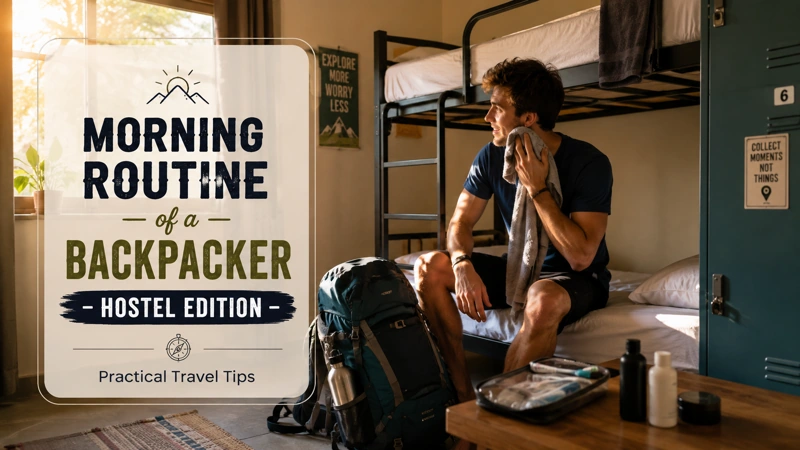
Morning Routine of a Backpacker – Hostel Edition | Practical Travel Tips
Morning routine of backpacker – hostel edition is a practical system for starting the day without losing belongings, disturbing roommates or wasting valuable travel time. Things to do Global turns the familiar hostel diary idea into an honest accommodation guide for first-time backpackers, solo travelers and digital nomads.
Hostel mornings vary. One traveler may leave at 5:30 a.m. for a bus while another sleeps after a late arrival. A good morning routine of backpacker – hostel edition balances efficiency with respect for shared space.
Table of Contents
Prepare the Night Before
The easiest hostel morning begins before bed. Place tomorrow’s clothing, toiletries and daypack together so you do not search through plastic bags in the dark. Charge devices, download tickets and set one quiet alarm.
Keep your passport, cards and cash in a locker or secure pouch. Never assume a friendly dorm is risk-free. Preparing early also helps you notice missing items while reception is open.
Wake Up Without Disturbing the Dorm
Use a vibrating watch or low-volume alarm and switch it off immediately. Avoid repeated snoozing, overhead lights and phone calls beside sleeping guests. If you need to leave before sunrise, dress in the bathroom or common area.
Hostels have different social cultures, but basic courtesy is universal. Quiet zippers and a pre-packed bag protect everyone’s sleep and make your own departure calmer.
Secure Your Bed and Belongings
Before heading to the bathroom, lock valuables and take the room key. A phone left charging on an empty bed is an easy item to forget or lose. Check beneath the mattress edge and around charging outlets.
Use packing cubes or separate pouches for clean clothes, laundry, electronics and toiletries. Organization matters more than owning expensive travel gear.
Navigate Shared Bathrooms Efficiently
Carry a compact toiletry bag, shower sandals and quick-dry towel. Peak bathroom demand is often just before breakfast or checkout, so shower earlier, later or the night before when queues are long.
Keep showers brief, remove your hair and belongings, and leave the area as you found it. Do not spread products across every shelf. A waterproof pouch protects dry clothing when hooks are limited.
A Simple Hostel Skincare and Hygiene Routine
Travel hygiene does not need ten products. Cleanse, moisturize, apply broad-spectrum sunscreen and use lip balm when needed. Refillable containers save space, while a small laundry soap helps with emergencies.
Avoid using shared kitchen oils or unverified products on sensitive skin simply because an online diary recommends it. Pack products that already work for you, and follow medical advice for skin conditions.
Eat a Useful Backpacker Breakfast
Included breakfast ranges from toast and fruit to eggs and local dishes. Check serving hours, because early tours may depart before the kitchen opens. When cooking, label food and clean pans immediately.
A balanced breakfast might combine oats or bread, fruit, eggs or yogurt and water. Carry a snack for long transfers. Free food is not a saving if it leaves you hungry an hour later.
Refill Water and Check the Day’s Conditions
Ask whether tap water is safe to drink, then refill a reusable bottle where appropriate. Check weather, transport changes, opening hours and any local safety advice. Download the route before leaving Wi-Fi.
Do not plan exclusively from social media. Reception staff can explain current bus stops, safe walking routes and whether an attraction needs advance booking.
Pack a Smart Day Bag
The ideal daypack is light enough to carry comfortably. Include water, a rain layer, sun protection, a small first-aid kit, portable charger, tissues and an offline map. Add swimwear, a towel or extra layer only when the day’s plan requires it.
Leave your main luggage locked at the hostel. Avoid carrying your passport when a secure alternative and acceptable copy are available, while following local identification requirements.
Morning Routine for Digital Nomads
If you work while traveling, identify a quiet desk before opening a laptop. Dorm beds are poor ergonomic workstations and early keyboard noise annoys roommates. Use a common workspace or café, headphones and a defined finish time.
Test Wi-Fi before an important call and keep mobile data as backup. A short planning session can separate essential work from tasks that can wait until the next travel day.
Checkout-Morning Checklist
Checkout adds extra pressure. Confirm the deadline, key-deposit rules and luggage-storage hours the previous evening. Strip the bed only when requested.
- Check lockers, sockets, hooks and under the bed
- Pack wet items separately
- Return keys or wristbands
- Pay any balance
- Photograph or save onward tickets
- Confirm the route to the station
- Refill water and use the restroom
Leave enough time to solve a missing-item or transport problem. Ten calm minutes are worth more than a final rushed coffee.
Choosing the Right Hostel
The best hostel is not simply the cheapest. Compare location, reception hours, locker size, bed curtains, kitchen access, cleanliness, quiet policies and recent reviews. A central hostel can reduce transport costs, while a remote bargain may require daily taxis.
Consider private rooms when two travelers can split the price or when sleep is essential. An honest neighborhood comparison should account for street noise, late-night transport and the walk from the station as well as tourist attractions.
Look for properties with clear safety information and responsible management. Hostelling International promotes standards and responsible travel through its official hostel network, which can provide a useful starting point when comparing stays.
Explore more where to stay advice covering best areas, hotels and alternative accommodation.
Hostel Etiquette That Improves Every Morning
Do not pack loudly at dawn, take calls inside the dorm or occupy the bathroom sink for an extended routine. Wear headphones, clean shared surfaces and keep shoes out of walkways.
Respect also works both ways. If another guest repeatedly violates quiet hours, speak calmly or ask staff for help rather than starting an argument in the room.
Budgeting for Hostel Life
A low bed rate can be offset by towel rental, luggage storage, breakfast, laundry and city tax. Review the complete price before booking. A kitchen saves money only if you will actually cook and can buy sensible quantities.
Allocate funds for one convenient meal or taxi on a difficult travel day. A sustainable budget should reduce stress rather than demand perfect discipline every morning.
Sample 60-Minute Hostel Morning
First 10 Minutes
Turn off the alarm, dress quietly, secure valuables and collect toiletries.
Next 20 Minutes
Use the bathroom, apply sunscreen and return items to the locker.
Next 20 Minutes
Eat breakfast, refill water and check weather and transport.
Final 10 Minutes
Pack the day bag, confirm the route and leave without waking the room.
This schedule is flexible. The purpose of a morning routine of backpacker – hostel edition is consistency, not rushing.
Frequently Asked Questions
1. What time do backpackers wake up in hostels?
It depends on transport and activities, but many start between 6:00 and 8:00 a.m.
2. How can I avoid waking roommates?
Pack the night before, use a quiet alarm and avoid overhead lights and plastic bags.
3. Are hostel lockers safe?
They reduce risk, but use a strong lock and keep irreplaceable items organized and discreet.
4. Should I shower at night or in the morning?
Either works. Night showers can avoid morning queues and simplify early departures.
5. Is breakfast usually included?
Not always. Check the booking details, serving hours and available alternatives.
6. What toiletries should I carry?
Bring compact essentials, shower sandals, a quick-dry towel and products suitable for your skin.
7. Can I work from a hostel?
Yes, when it has reliable Wi-Fi and a proper common workspace. Carry a backup connection.
8. How do I choose between a dorm and private room?
Compare total cost, privacy, sleep needs, security and how long you plan to stay.
9. What should be in a daypack?
Pack water, weather protection, sunscreen, a charger, basic first aid and only activity-specific items.
10. What is the biggest hostel-morning mistake?
Leaving all packing until checkout time creates noise, forgotten belongings and missed transport.
Start the Day Calmly
Before leaving, take thirty seconds to note one essential task, one flexible activity and the time of your return transport. This prevents an ambitious plan from becoming exhausting. If you are staying several nights, schedule laundry, grocery shopping and calls on quieter mornings instead of squeezing them between tours. A realistic routine protects sleep and keeps travel enjoyable.
A reliable morning routine of backpacker – hostel edition creates more time for exploration and fewer conflicts in shared accommodation. Prepare early, travel light, respect the dorm and adapt the routine to your health, schedule and destination.
Tags :
example, category, and, terms