in

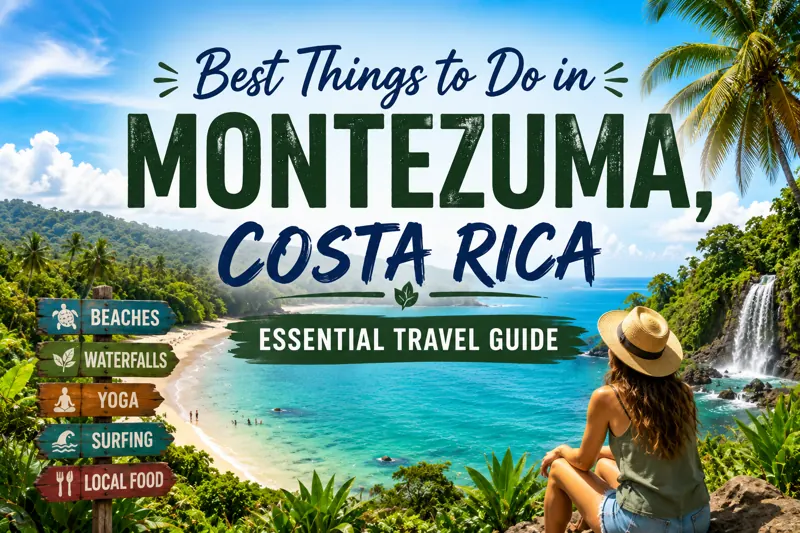
Best Things to Do in Montezuma, Costa Rica | Essential Travel Guide
Things to do in Montezuma, Costa Rica combine waterfalls, Pacific beaches, jungle walks and a small-town atmosphere on the southern Nicoya Peninsula. In this essential sightseeing guide, Things to do Global explains the area’s top attractions, practical transport, safety considerations and responsible local experiences.
Montezuma attracts backpackers, couples, families and travelers seeking a less formal beach base. Its relaxed image should not hide practical realities: roads can be slow, ocean currents can be strong and waterfall trails become dangerous after rain. A flexible plan makes the destination far more enjoyable.
Table of Contents
1. Hike to Montezuma Waterfalls
The waterfalls are the town’s best-known natural attraction. A riverbed approach leads toward the large lower cascade, while other routes connect with upper falls and private trail systems.
Wear shoes with grip and assess recent rain before starting. The route involves rocks, roots and possible river crossings. Never jump from cliffs or waterfalls; hidden rocks, changing depth and current make imitation of local divers extremely dangerous.
2. Relax at Montezuma Beach
The beach beside town is convenient for walking, sunsets and watching the coast. Swimming suitability changes with tide and swell. Ask locally about currents and stay close to shore when conditions are uncertain.
Keep belongings supervised. The beach is easy to reach, but that does not remove normal precautions around phones, bags and cameras.
3. Walk to Piedra Colorada
Piedra Colorada is known for a stream, colored stones and a smaller freshwater setting north of town. The walk offers a quieter nature experience, particularly early in the day.
Respect any locally created stone arrangements and avoid rebuilding or removing natural material. Ocean conditions nearby can be powerful, so separate the freshwater walk from assumptions about safe sea swimming.
4. Visit Cabo Blanco Nature Reserve
Cabo Blanco protects forest and coastal habitat near the southern tip of the peninsula. Trails can be hot, humid and physically demanding. Start early, carry sufficient water and check the reserve’s current opening schedule before traveling.
A naturalist guide adds value for bird and wildlife identification. Stay on marked trails and do not feed monkeys or other animals.
5. Take a Tortuga Island Day Trip
Boat tours from the Montezuma area may visit Tortuga Island for beach time, snorkeling and coastal scenery. Inclusions vary, so compare boat type, shade, safety equipment, meals, snorkeling gear and environmental practices.
Water visibility depends on weather and sea conditions. A responsible operator will adjust or cancel activities when necessary rather than guarantee perfect snorkeling.
6. Explore Playa Grande
Playa Grande can be reached by walking along beaches and forest paths north of town. The route feels adventurous but requires awareness of heat, tides and daylight.
Carry water, avoid isolated walking after dark and ask about current trail conditions. Surf may suit experienced users at certain times, but swimming and surfing require separate ability assessments.
7. Join a Surf Lesson
Beginners should choose a qualified instructor who selects the beach according to current conditions. Learning in a controlled area is safer than renting a board and copying others.
Ask whether equipment, transport, rash guards and insurance are included. Strong waves around the peninsula mean the easiest-looking beach is not always beginner-friendly.
8. Experience a Guided Wildlife Walk
Forest around Montezuma can support monkeys, birds, iguanas and smaller species. A guide helps visitors observe without approaching or disturbing animals.
Morning and late-afternoon walks can be productive, while a night walk reveals frogs and insects. Use red or controlled lights according to the guide’s instructions.
9. Try Yoga or a Wellness Class
Montezuma’s relaxed environment has encouraged yoga, massage and wellness businesses. Check instructor credentials and choose a class appropriate to your experience.
Wellness can also mean a quiet morning, healthy meal and slower schedule rather than a costly package.
10. Eat at Local Restaurants
The town’s dining includes Costa Rican meals, cafés, vegetarian options and international food. Try a casado or fresh local ingredients, and confirm seafood prices when charged by weight.
Support small businesses and remain patient during busy evenings. Island-style service may not match a tightly scheduled itinerary.
11. Visit Nearby Santa Teresa Carefully
Santa Teresa is a popular surf and beach destination across the peninsula’s southern area. Road travel can take longer than expected, especially in rain or traffic.
Treat it as a deliberate day trip or separate stay rather than squeezing it between Montezuma activities.
12. Watch Sunset From a Safe Coastal Spot
Sunset is one of the simplest things to do in Montezuma, Costa Rica. Choose an open beach area with a clear return route. Avoid rocky headlands, rising tides and isolated trails after dark.
How to Get to Montezuma
Travel options may involve buses, shuttles, ferries, private transfers or domestic flights combined with road transport. From San José, routes can cross the Gulf of Nicoya by ferry or continue overland.
Confirm the entire connection before booking. A ferry arrival does not guarantee that onward public transport matches your schedule.
Getting Around Town
Central Montezuma is walkable, but waterfalls, reserves and distant beaches may require taxis, tours or a vehicle. Roads outside the center can be rough.
Choose central accommodation if you do not plan to drive. Ask hosts about the real walking gradient rather than relying only on distance.
Best Time to Visit
The drier months generally provide easier trails and roads, while the greener season creates stronger waterfalls and lush forest. Heavy rain can make river routes unsafe.
Visit outdoor sites early for cooler temperatures and leave flexibility for weather changes.
Suggested Three-Day Itinerary
Day 1
Explore town, Montezuma Beach and Piedra Colorada.
Day 2
Visit the waterfalls with a guide if conditions are uncertain, then enjoy a relaxed evening.
Day 3
Choose Cabo Blanco, Tortuga Island or a surf lesson based on interests and weather.
Find more things to do worldwide and practical destination inspiration.
What to Pack
- Supportive trail shoes
- Water shoes where appropriate
- Rain layer
- Sun protection
- Insect repellent
- Reusable bottle
- Dry bag
- Small cash supply
- Offline maps
Where to Stay in Montezuma
Central accommodation is best for travelers without a vehicle because restaurants, the town beach and the lower waterfall approach are easier to reach. Hillside lodges can provide forest views and privacy, but steep roads may require taxis, especially with luggage or after dark.
Beachfront does not always mean safe swimming, and jungle does not always mean quiet. Read recent reviews about road noise, wildlife, insects and music. Ask whether the room has secure storage, reliable water and a practical route into town.
Food, Money and Connectivity
Carry some Costa Rican colones for small purchases, parking or local services while keeping another payment method separately. Mobile service and Wi-Fi can vary outside the center, so download maps and booking details.
Local restaurants may become busy at sunset. Eat early when you have a tour the next morning, and keep enough water and snacks for excursions where facilities are limited.
Montezuma for Different Travelers
Couples may enjoy waterfalls followed by a quiet dinner, while solo travelers benefit from central lodging and group excursions. Families should reduce daily travel and select beaches according to current swimming conditions. Adventure travelers can combine hiking, surfing and boat trips but still need recovery time.
Montezuma is less suitable for visitors who require perfectly smooth roads, extensive nightlife or highly controlled attractions. Understanding that tradeoff prevents disappointment and helps the destination reach travelers who genuinely appreciate its character.
Frequently Asked Questions
1. How many days do you need?
Three to four days allow waterfalls, beaches and one larger excursion.
2. Is Montezuma worth visiting?
Yes for travelers who enjoy nature, a relaxed town and outdoor activity.
3. Can you swim at the waterfalls?
Conditions vary. Follow current local advice and never jump from heights.
4. Is Montezuma family-friendly?
It can be, but trail difficulty, ocean currents and transport require planning.
5. Do you need a car?
No for central activities, though a vehicle or tour helps with distant sites.
6. Is Montezuma expensive?
Costs vary. Local food, central lodging and selective tours help control spending.
7. Are beaches safe for swimming?
Not always. Conditions change by beach, tide and swell.
8. Can I visit Tortuga Island?
Yes through boat tours, subject to weather and operator schedules.
9. What is the best footwear?
Use trail shoes for waterfalls and secure sandals for beach walking.
10. Is Montezuma good in rainy season?
The landscape is lush, but trail and river conditions demand more flexibility.
Discover Montezuma Responsibly
The best things to do in Montezuma, Costa Rica balance waterfalls and beaches with safety, local culture and time to slow down. Choose fewer activities, listen to current advice and let the town’s natural setting shape the itinerary rather than racing through a checklist. A thoughtful pace also gives weather, transport and personal energy enough room to change without damaging the whole trip. That flexibility makes every day more comfortable and memorable.
Tags :
example, category, and, terms